Introduction
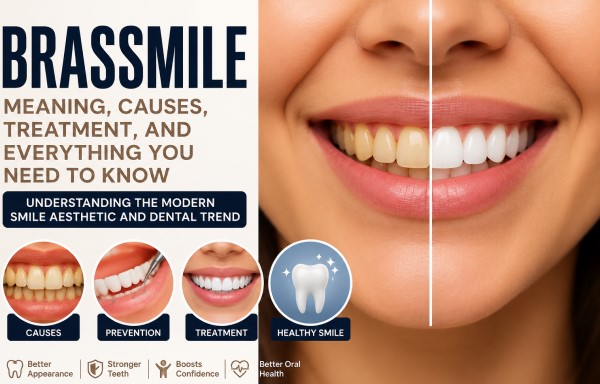
The term brasssmile has gained attention across the internet in recent years, especially in discussions around dental aesthetics, smile design, and cosmetic dentistry. While it may sound unusual at first, it generally refers to a visual or aesthetic condition related to the appearance of teeth—often described as a warm, yellowish, golden, or “brassy” tone in the smile.
In modern beauty culture, where a perfect smile is strongly associated with confidence and attractiveness, the concept of brasssmile has become both a concern and a style reference. Some people see it as a dental issue that needs correction, while others consider it part of fashion-driven smile enhancement trends.
This article explores the meaning of brasssmile, its causes, how it affects appearance, and the most effective ways to prevent or treat it.
What is Brasssmile?
The keyword brasssmile is commonly used to describe a smile where the teeth appear slightly yellowish, golden-toned, or “brassy” rather than bright white. It is not a formal dental diagnosis but rather a descriptive term used in beauty and dental conversations.
In some contexts, brasssmile can also refer to:
- Cosmetic dental finishes that give a warm metallic or golden look
- Smile aesthetics influenced by fashion trends such as grills or tooth caps
- Natural tooth discolouration that resembles a brass-like shade
Unlike clinical dental conditions such as fluorosis or enamel hypoplasia, brasssmile is more of a visual description than a medical term.
Why Does Brasssmile Happen?
There are several reasons why a brasssmile appearance may develop. These causes can be natural, lifestyle-related, or cosmetic.
Poor Oral Hygiene
One of the most common causes is inadequate oral care. When plaque builds up on the teeth, it can harden into tartar, leading to a yellow or brassy appearance. Regular brushing and flossing are essential to maintain a clean, bright smile.
Dietary Habits
Certain foods and drinks can contribute significantly to tooth discolouration. Items such as tea, coffee, cola, red wine, and heavily spiced foods can stain enamel over time. In countries like the UK and Pakistan where tea consumption is high, this is a very common factor.
Smoking and Tobacco Use
Nicotine and tar present in tobacco products can quickly stain teeth. Over time, smokers often develop a deeper yellow or brown tint that resembles the brasssmile effect.
Natural Enamel Colour
Not everyone has naturally white teeth. Some people have slightly yellow or ivory-toned enamel due to genetics. This natural variation can sometimes be described as a brasssmile appearance.
Ageing Process
As people age, enamel becomes thinner, revealing the dentin layer underneath, which has a more yellow tone. This is a normal biological process and contributes significantly to smile colour changes.
Cosmetic Enhancements
Interestingly, brasssmile is also associated with fashion trends in dental aesthetics. Some individuals intentionally choose golden or metallic tooth designs, including grills or caps, for a bold appearance.
Brasssmile and Modern Dental Aesthetics
In recent years, dental aesthetics has become a major part of fashion and self-expression. Social media platforms have amplified the importance of having a “perfect smile,” often defined as extremely white and symmetrical teeth.
However, brasssmile challenges this idea by introducing alternative beauty standards. In some subcultures, warm-toned or golden smiles are seen as stylish and unique. Influencers and artists sometimes adopt these looks to stand out.
On the other hand, mainstream cosmetic dentistry typically aims to correct brasssmile-like appearances to achieve a brighter, whiter smile.
This dual perception makes brasssmile an interesting topic in both health and fashion discussions.
Is Brasssmile a Dental Problem?
Brasssmile is not officially recognised as a dental disease. Instead, it is a descriptive term for tooth appearance.
However, in many cases, it may indicate underlying oral health issues such as:
- Enamel staining
- Plaque accumulation
- Poor oral hygiene habits
- Dietary imbalance
In such cases, it is advisable to consult a dental professional. Even if the issue is purely cosmetic, many people choose to improve their smile for confidence and personal satisfaction.
How to Prevent Brasssmile
Preventing brasssmile is largely about maintaining good oral hygiene and healthy habits.
Regular Brushing
Brush your teeth at least twice daily using fluoride toothpaste. This helps remove surface stains and prevents plaque build-up.
Flossing Daily
Flossing removes food particles between teeth that brushing cannot reach. This reduces the risk of discolouration in hard-to-clean areas.
Reduce Staining Foods and Drinks
Limiting intake of coffee, tea, and sugary drinks can significantly reduce the risk of tooth staining. If you consume them, rinsing your mouth afterwards can help.
Quit Smoking
Stopping tobacco use is one of the most effective ways to improve overall oral health and prevent brass-like tooth discolouration.
Regular Dental Check-ups
Visiting a dentist every six months allows early detection of staining, tartar build-up, or enamel issues.
Treatment Options for Brasssmile
If brasssmile appearance is already visible, several treatments can help restore a brighter smile.
Professional Teeth Cleaning
A dental hygienist can remove plaque and tartar through scaling and polishing. This is often the first step in improving tooth colour.
Teeth Whitening Treatments
Whitening procedures are widely used to reduce yellow or brassy tones. These treatments can be done in a dental clinic or with dentist-approved home kits.
Cosmetic Dentistry
For more advanced cases, cosmetic treatments may be recommended, such as:
- Veneers
- Dental bonding
- Tooth contouring
These options improve both colour and shape of teeth.
Natural Remedies (Mild Cases)
Some people use natural methods like baking soda brushing or oil pulling. While these may help slightly, they are not as effective as professional treatments.
Psychological Impact of Brasssmile
A person’s smile plays a major role in confidence and social interactions. Individuals with noticeable tooth discolouration may feel self-conscious when smiling or speaking.
In modern society, where appearance is often linked to confidence, brasssmile can influence:
- Self-esteem
- Social confidence
- Professional interactions
However, it is important to remember that smile aesthetics vary widely, and beauty standards are subjective.
Brasssmile vs White Smile Trends
The beauty industry often promotes bright white teeth as the ideal standard. Whitening products and cosmetic procedures are heavily marketed for this reason.
In contrast, brasssmile represents a more natural or alternative aesthetic. While some view it as undesirable, others see it as authentic or unique.
This contrast highlights how dental aesthetics is influenced not only by health but also by cultural trends and personal preference.
When to See a Dentist
You should consider visiting a dentist if:
- Tooth colour changes suddenly
- Stains do not improve with brushing
- There is sensitivity or pain
- You are concerned about appearance
A dental professional can identify whether the brasssmile appearance is purely cosmetic or linked to an underlying issue.
Conclusion
The concept of brasssmile is more than just a visual description—it reflects the intersection of dental health, lifestyle habits, and modern beauty trends. While it often refers to yellow or brassy-toned teeth, it is not a medical condition but rather an aesthetic observation.
Understanding its causes, prevention methods, and treatment options allows individuals to make informed decisions about their oral health and appearance. Whether you prefer a natural smile or a professionally enhanced white smile, maintaining good oral hygiene remains the foundation of a healthy and confident appearance.